

An itchy scalp and stubborn flakes can make even a freshly washed head feel uncomfortable. If dandruff keeps returning, you may be wondering whether a hair oil for dandruff could help soothe your scalp and support your hair care routine.
Hemani essential oils offer options worth considering for scalp care. Research has explored the antimicrobial properties of certain essential oils and their potential effects on microorganisms associated with dandruff.
However, evidence of their effectiveness remains limited, and proper dilution is essential to reduce the risk of scalp irritation.
In this blog, we explore how essential oils may help with dandruff, how to use them safely, and what to consider when choosing an oil for a flaky, itchy scalp.
Which Essential Oils May Help With Dandruff?
Essential oils are concentrated plant extracts. They differ from carrier oils, which dilute them before application. Research on essential oils for dandruff varies, and laboratory findings do not always translate to results on the scalp.
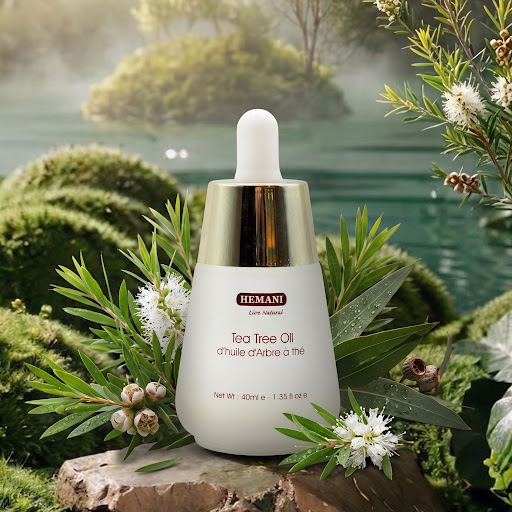
Tea Tree Oil for Dandruff
Tea tree oil has been studied for its activity against Malassezia, a yeast associated with dandruff. Its main component, terpinen-4-ol, has shown antifungal activity in laboratory studies.
A small clinical trial found that shampoo containing 5% tea tree oil improved dandruff symptoms. However, the study tested a formulated shampoo, not pure tea tree oil. Undiluted tea tree oil can irritate the skin.
Hemani Tea Tree Oil, 30 ml is an option for your scalp care routine. Follow the product directions and dilute it appropriately before use. Evidence does not establish it as a dandruff treatment.
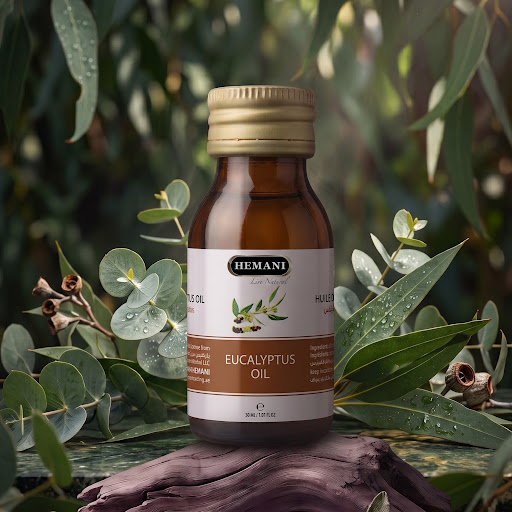
Eucalyptus Oil for Scalp Care
Eucalyptus oil has shown antimicrobial properties in laboratory studies. However, research has not established whether it reduces dandruff, itching, or flaking in people.
Hemani Eucalyptus Oil, 30 ml is another option to consider. Follow the label instructions and dilute the oil before applying it to your scalp, as it may irritate.
For persistent dandruff, an anti-dandruff shampoo with an established active ingredient is a more reliable option.
How to Use Hair Oil for Dandruff Safely
Essential oils are concentrated and can irritate your scalp if used incorrectly. Follow these precautions before applying them:
- Check the label. Follow the product’s directions for dilution and application.
- Dilute before use. Mix the essential oil with a carrier oil, such as jojoba, coconut, or sweet almond oil, using the recommended dilution.
- Patch test first. Apply a small amount of the diluted mixture to your inner forearm. Wait 24 hours and check for redness, itching, or swelling.
- Avoid sensitive areas. Keep the oil away from your eyes and ears.
- Stop if irritation develops. Discontinue use if your scalp burns, stings, or becomes red.
If irritation persists or dandruff comes with sores, swelling, or hair loss, consult a doctor or dermatologist.
Homemade Hair Oil for Dandruff: What to Know
Homemade hair oil can be part of your scalp care routine, but it is not a proven treatment for dandruff. If you mix essential oils with a carrier oil, take these precautions:
- Dilution: Essential oils are concentrated. Follow the product’s dilution instructions to reduce the risk of scalp irritation.
- Storage: Keep your mixture in a clean, dry, dark glass bottle, away from heat and direct sunlight.
- Ingredient sensitivities: Check each ingredient before use. Sweet almond oil, for example, may not suit people with almond allergies.
- Shelf life: Homemade blends can deteriorate over time. Make small batches and discard them if their smell, colour, or texture changes.
If dandruff persists, consider an anti-dandruff shampoo with an established active ingredient rather than relying on homemade oil alone.
Does Oiling Hair Cause Dandruff?
Oiling does not automatically cause dandruff, but it can worsen symptoms for some people. Heavy or frequent scalp oiling may increase greasiness and irritation, particularly if your scalp is already oily.
Malassezia, a yeast associated with dandruff, feeds on lipids found naturally on the scalp. Certain oils may contribute to the conditions that allow this yeast to thrive.
Applying oil to your hair lengths and ends is different from applying it directly to your scalp. If you oil your scalp, monitor it for increased itching, greasiness, or flakes. Stop if your symptoms worsen.
How often should you oil your hair if you have dandruff?
No schedule fits every scalp. Some people tolerate oil once a week. Others do better with none.
Use these guides:
- Follow the directions on your product.
- Start with less oil and less often. Add more only if your scalp stays calm.
- Wash the oil out fully with shampoo.
Persistent dandruff may need more than oil. If flakes last for weeks, an anti-dandruff shampoo with an established active ingredient is a better first step than more oil. A doctor or dermatologist can help if shampoo does not work.
Explore Hemani Essential Oils for Dandruff
Hemani offers tea tree and eucalyptus essential oils for your scalp care routine. Both come in 30 ml bottles. Compare their potential benefits, check the product directions, and choose the option that best suits your needs.
Hemani Tea Tree Oil
Hemani Tea Tree Oil, 30 ml is worth considering if you are researching essential oils for dandruff. Tea tree oil has more research behind it than eucalyptus oil, including a small clinical trial involving tea tree oil shampoo. However, evidence for this specific product as a dandruff treatment is limited. Follow the label directions, dilute as instructed, and patch test before use.
Hemani Eucalyptus Oil
Hemani Eucalyptus Oil, 30 ml offers another option for your scalp care routine. Although eucalyptus oil has shown antimicrobial properties in laboratory studies, evidence of its effectiveness against dandruff in people remains limited. Follow the product directions and dilute it appropriately before application.
What to Consider Before Ordering
Before choosing an essential oil, keep these points in mind:
- Check the instructions: Read the product details and dilution directions before use.
- Consider your scalp: Oil may worsen greasiness or itching for some people.
- Check the ingredients: Avoid oils that may trigger your allergies or skin sensitivities.
- Start with one product: If you are new to essential oils, try one at a time so you can monitor your scalp’s response.
Delivery Across Canada
You can order Hemani products through Tezmart and check delivery availability for your address. Review the product directions before use, and follow the recommended precautions.
If dandruff persists or worsens, consider an anti-dandruff shampoo with an established active ingredient. A pharmacist or dermatologist can help you choose an appropriate treatment.
FAQs
What is the best hair oil for dandruff?
No single oil works best for everyone. Hemani Tea Tree Oil and Hemani Eucalyptus Oil are options for scalp care, but neither is a proven dandruff treatment.
Is Hemani Tea Tree Oil good for dandruff?
Tea tree oil has shown activity against Malassezia, a yeast associated with dandruff. However, evidence for Hemani Tea Tree Oil specifically remains limited. Dilute as directed before use.
Can I use Hemani Eucalyptus Oil on my scalp?
Yes, if the product directions permit scalp application. Dilute as instructed and patch test first. Evidence of its effectiveness against dandruff remains limited.
Can Hemani hair oils make my dandruff worse?
Yes, frequent or heavy scalp oiling may worsen flakes and itching for some people. Stop if your symptoms increase.
How often should I use essential oils for dandruff?
Follow the product directions rather than a fixed schedule. Stop using the oil if your scalp becomes irritated or your symptoms worsen.
Can I mix Hemani essential oils with a carrier oil?
Yes, if the product allows it. Jojoba and coconut oils are common carrier oils. Follow the recommended dilution instructions.
Should I use anti-dandruff shampoo or essential oils?
An anti-dandruff shampoo with an established active ingredient is generally a better choice for persistent flakes. Consult a dermatologist if symptoms continue.