

Cold, dry air can leave your skin feeling tight, rough, and uncomfortable. Moving between outdoor air and heated indoor spaces can make dryness even more noticeable during the colder months.
However, a face oil can help support your skin barrier and lock in moisture. For this reason, choosing the right oil can add extra comfort to your winter skincare routine. At Hemani Canada, we offers a range of natural facial oils and essential oils for dry skin to suit different skincare needs.
This guide covers four face oils worth considering for dry skin, along with simple tips on how to use them correctly in your routine.
Why Choose Hemani Canada Essential Oils for your Winter Skincare Routine?
At Hemani, we focus on giving you a variety of facial oil options for different skincare preferences. Whether you prefer a lightweight oil or a richer formula, you can choose what feels right for your routine.
Hemani oils are Halal-certified and meet ISO 9001, ISO 14001, and ISO 18001 standards. These certifications reflect the standards associated with the products and do not guarantee specific results for every individual.
Your skin’s needs can change with the season, so choose a face oil that fits comfortably into your existing routine.
4 Face Oils to Consider for Winter Dry Skin
Winter dryness can affect your skin in different ways. You may notice tightness and flaking, while someone else may experience dullness or stubborn dry patches.
Hemani offers a variety of facial oils, and four options stand out for different winter skincare needs. The right choice depends on what your skin needs most during the colder months.
Vitamin E Oil for Dry Skin
Vitamin E oil is a popular addition to winter skincare routines. Its antioxidant properties make it a practical option for adding moisture and care to dry skin.
During the colder months, it can help your skin feel more comfortable when dryness and tightness become noticeable. Its lightweight texture also makes it easy to layer with other skincare products.
Hemani’s Vitamin E Oil can be used on the face, as well as on dry hands and nails. Apply a small amount and follow the directions on the product.
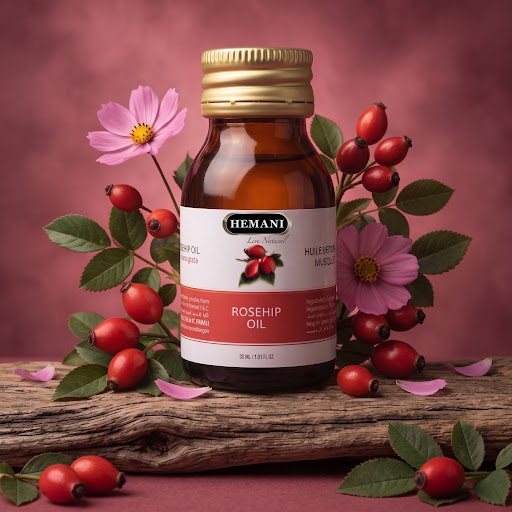
Rosehip oil for dull-looking skin
Rosehip oil is a lightweight facial oil that can be a good option when your skin looks dull as well as dry. Cold weather can leave skin looking tired, while rosehip oil is commonly used to give it a more refreshed appearance.
It absorbs quickly, making it easy to add to your evening skincare routine without a heavy or greasy feel.
Hemani’s rosehip oil can be applied after moisturiser. Start with a few drops and focus on areas that feel dry, rough or dull.
Avocado Oil for Very Dry or Flaky Areas
Avocado oil has a richer texture than rosehip or vitamin E oil, making it a useful option for skin that feels very dry or flaky. It can help add extra moisture to areas that need more care.
Many people apply it to the cheeks or around the nose, where cold winds and indoor heating can leave skin feeling especially dry. Since avocado oil is richer, you only need a small amount.
Hemani’s avocado oil can be gently massaged into dry areas at night. Applying it before bed gives the oil time to sit on the skin while you sleep.
Castor Oil for Targeted Dry Spots
Castor oil has a thicker, richer texture than the other oils on this list. Because of its consistency, it works better for targeted dry areas than for all-over facial application.
Hands, elbows, and knees can become especially dry during the colder months. Apply a small amount of Hemani’s Castor Oil directly to these areas and gently massage it in.
Since castor oil is quite thick, using a small amount on specific dry spots can be more comfortable than applying it over larger areas.
How to Use Face Oil in a Skincare Routine
Face oil usually goes toward the end of your skincare routine, after your other products. For most winter routines, follow this order:
- Cleanse your face.
- Apply toner or serum, if you use one.
- Apply your regular moisturiser.
- Apply a small amount of face oil.
- Gently press or massage the oil into your skin.
Moisturiser and face oil serve different purposes. Moisturiser provides hydration, while face oil helps seal in moisture. Using oil on its own may not provide the hydration your skin needs.
The American Academy of Dermatology recommends applying moisturiser within a few minutes of washing to help retain moisture in the skin. This can be especially helpful when indoor air is dry.
Always check the product directions before applying your face oil, as usage may vary between products.
The Right Amount of Face Oil for Dry Skin
A little face oil goes further than most people expect.
Start with two to three drops for your whole face. Warm the oil between your palms first, then press it evenly across your skin.
If your skin still feels tight after a few minutes, add one more drop to any dry patches. You shouldn’t need more than that for most winter routines.
Using too much oil can leave a greasy film and won’t speed up how your skin absorbs it.
Combining and Layering Face Oils
You can combine two face oils before applying them or use each one separately as part of your routine.
To combine them, mix a small amount of both oils in your palm before applying. If you prefer to use them separately, apply one oil first, let it settle into your skin, then apply the second if needed.
Using oils separately gives you more control over the amount of each product you use. This can also make it easier to see how your skin responds to each oil.
Patch Testing Before Applying Face Oil
Before adding a new face oil to your routine, test a small amount on your inner forearm or another discreet area of skin.
Then, leave it for 24 hours and look for redness, itching, burning, or other signs of irritation. If you notice a reaction, avoid using the oil on your face.
This step is especially useful for sensitive or reactive skin, particularly when colder conditions have already left your skin feeling dry or irritated.
FAQs
What are the best face oils for winter dry skin?
There’s no single best option. Vitamin E oil suits general dryness, rosehip oil suits dull-looking skin, avocado oil suits very dry or flaky areas, and castor oil works for targeted dry spots like hands and elbows.
How do you use face oil in a skincare routine?
Cleanse, apply toner or serum if you use one, moisturise, then apply a small amount of face oil and press it into your skin.
Can I use Vitamin E oil for dry skin?
Yes. Vitamin E oil is commonly used in winter skincare routines and can be applied after moisturiser to help skin feel less tight.
Is rosemary oil suitable for winter skin?
Rosemary oil is an essential oil, not a facial carrier oil like the ones in this article. It’s typically used in small, diluted amounts for hair and scalp care rather than applied directly to the face as a moisturising oil.
Can I use castor oil for dry skin?
Yes, in small amounts on targeted areas like hands, elbows or knees. Its thick texture makes it less suited to an all-over face application.
Can face oil replace moisturiser?
No. Face oil works alongside moisturiser, not instead of it. Moisturiser adds hydration, and oil helps seal that hydration into the skin.
How often should I use face oil in winter?
That depends on the product, your skin type, and the rest of your routine. Some people use it daily; others only a few times a week. Follow product directions and adjust based on how your skin responds.