

Your hair may need more than one type of oil to feel and look its best. Castor oil has a rich, thick texture, while coconut oil is lighter and easier to spread through the hair. Rosemary oil is often used as part of a scalp-focused routine but needs to be diluted before application. Amla oil can add shine, while argan-based oils help soften and smooth dry, rough lengths.
Using a combination of oils lets you target different hair needs within the same routine. At Hemani Canada, you can choose from castor, coconut, rosemary, and amla oils, as well as an argan-based blend, making it easier to create a routine around your hair type and goals.
In this guide, you’ll learn which oils work well together, what ratios to try, how long to leave each blend on, and how to patch-test a new combination before adding it to your routine.
How to Choose Oils for a Hair Oil Blend
The right hair oil blend starts with understanding how each oil behaves. Some are rich and heavy, while others spread easily or work better as a carrier. Choosing oils with complementary textures can make your routine easier and more targeted.
Castor oil
Castor oil has a rich, thick texture that can feel heavy when used on its own. Pairing it with a lighter oil helps it spread more smoothly through the hair without requiring a large amount.
Hemani Castor Oil is well suited to blends designed for dry hair and scalp care, especially when you want the richness of castor oil without applying it alone.
Coconut oil
Coconut oil has a lighter, more fluid texture than castor oil, which makes it useful for creating a more workable blend. It spreads easily through the lengths and can help distribute heavier oils more evenly.
Hemani Coconut Hair Oil pairs naturally with thicker oils when you want a blend that feels lighter and easier to apply.
Rosemary oil
Rosemary oil requires a little more care because the term can refer to different types of products. Pure rosemary essential oil is highly concentrated and should be diluted with a carrier oil before applying it to the scalp.
Coconut oil can work as the carrier, helping dilute the essential oil and making it suitable for topical use. If you’re using Hemani Rosemary Oil, check the product label and directions first to determine whether it requires additional dilution.
Amla oil
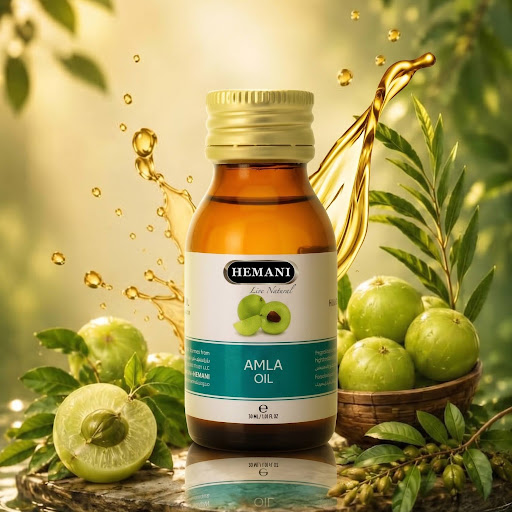
Amla oil is a popular choice for hair routines focused on conditioning, shine, and smoother-looking lengths. Its rich character can work well alongside a lighter oil, particularly when your hair feels dry or rough.
Hemani Amla Oil can be incorporated into a blend when you want to focus on conditioning and a healthy-looking shine.
Argan oil
“Argan oil” can refer to both pure argan oil and hair oil blends that contain argan oil alongside other ingredients. Checking the product formulation helps you know exactly what you’re applying.
Hemani Canada offers Hemani Argan Oil with Black Seed & Coconut. It combines argan oil with black seed and coconut oils, so it is an argan-based blend rather than pure argan oil. This distinction matters when you’re choosing oils based on texture, ingredients, or your specific hair care routine.
3 Hair Oil Combinations to Try
These are practical starting points, not guaranteed formulas for faster growth. Individual results vary based on hair type, scalp condition, and how consistently you use a blend.
| Combination | Starting ratio | Main focus |
| Castor + coconut | 1:2 | Dry-feeling hair and conditioning |
| Rosemary + carrier oil | 1 to 2 drops per 1 tsp carrier oil | Scalp-focused routine |
| Amla + argan-based oil | 1:1 | Shine and breakage-focused care |
Castor Oil + Coconut Oil for Dryness
Castor oil’s thickness makes it hard to apply alone. Coconut oil thins it out and helps it spread through dry lengths without leaving hair feeling coated.
Starting ratio: 1 part castor oil to 2 parts coconut oil.
How to apply it:
- Mix 1 teaspoon castor oil with 2 teaspoons coconut oil.
- Apply a small amount to the scalp and hair lengths as needed.
- Massage it in gently.
- Leave it on for 1 to 2 hours.
- Shampoo thoroughly.
Hemani Castor Oil and Hemani Coconut Hair Oil work well together at this ratio. This combination can be part of a hair-care routine for dry-feeling hair, but it doesn’t cause faster hair growth on its own.
Rosemary oil + Carrier Oil for a Scalp-Focused Routine
Rosemary oil has been studied for its role in scalp health, but the evidence doesn’t support a guaranteed result for everyone. A 2015 randomized trial published in SkinMed compared rosemary oil against 2% minoxidil in 100 patients with androgenetic alopecia over 6 months.
Both groups saw a similar increase in hair count, with no statistically significant difference between them, and the minoxidil group reported more scalp itching. It’s one study with a small sample size, and it hasn’t been widely replicated, so it points to a possible role for rosemary oil rather than proof that it matches minoxidil for everyone.
Dilution matters here. Cleveland Clinic notes that coconut or jojoba oil can dilute rosemary oil to reduce the risk of skin irritation.
Starting ratio: 1 to 2 drops rosemary oil per 1 teaspoon carrier oil.
How to use it: Mix the drops into your carrier oil, work it into the scalp with your fingertips, and follow the directions on your specific product for how long to leave it on.
Hemani Rosemary Oil fits into this routine once it’s properly diluted.
Amla oil + Argan Oil for Shine and Breakage
This pairing focuses on shine, dry-looking lengths, rough texture, and breakage-focused care rather than scalp treatment.
Starting ratio: 1 part amla oil to 1 part argan-based oil.
Hemani Amla Oil and Hemani Argan Oil with Black Seed & Coconut work well together for this purpose. Use the accurate product name here, since Hemani’s version includes black seed and coconut oil alongside argan, rather than being pure argan oil.
How to Use Hair Oil Correctly
- Choose a blend based on your hair-care goal.
- Measure the oils rather than eyeballing the ratio.
- Dilute essential oils correctly before applying them to the scalp.
- Apply a moderate amount, not a heavy layer.
- Massage the scalp gently with your fingertips.
- Apply to the lengths if the blend calls for it.
- Leave the blend on for the recommended time.
- Shampoo thoroughly to remove the oil.
- Adjust the amount next time if your hair feels weighed down or excessively oily.
Follow the directions on the specific Hemani product you’re using, since leave-on times can vary slightly between formulations.
Recommended Hair Oiling Time
| Blend | Starting time |
| Castor + coconut | 1 to 2 hours |
| Rosemary + carrier oil | Follow product directions |
| Amla + argan-based oil | 30 to 60 minutes |
Leaving oil on longer than recommended doesn’t speed up results. Overnight oiling isn’t a requirement for every blend, and it can be more than some hair types need.
Patch Test Before Using a New Hair Oil Blend
Test any new blend on a small area before applying it more broadly. Apply a small amount to your inner arm or behind your ear, wait 24 hours, and check for redness, itching, or irritation.
Pay particular attention when introducing rosemary essential oil, since it’s more concentrated than the other oils in this guide. Sensitive scalps can react differently to a new product even when it’s diluted correctly.
People with sensitive scalps should patch-test a new castor oil blend before applying it more broadly. This doesn’t mean castor oil irritates most people. It’s a normal precaution for any new product.
Stop using a blend if irritation develops, and rinse the area with water.
Why Choose Hemani Canada for your Hair Oil Routine?
At Hemani Canada, we bring more than 70 years of experience in the herbal trade to the products we offer. Our range includes hair oils such as castor, coconut, rosemary, and amla, giving you different options for building a routine around your hair’s needs.
We also follow ISO standards and Halal compliance in our production, giving you more information about the standards behind our products.
Our range makes it easier to build a hair oil routine that works for you. Instead of relying on one oil for every purpose, you can choose oils based on their texture and intended use, then combine compatible options to create a routine suited to your hair.
FAQs
Can I mix castor oil and coconut oil for hair?
Yes. A 1:2 ratio of castor oil to coconut oil is a practical starting point. Coconut oil thins out castor oil’s thick texture, making the blend easier to apply to dry-feeling hair.
Can I use rosemary oil directly on my scalp?
No. Rosemary essential oil should be diluted with a carrier oil, like coconut oil, before it touches your scalp. Applying it undiluted increases the risk of irritation.
What is the best hair oil combination for thickness?
There’s no single combination established as best for everyone. Results depend on hair type, scalp condition, and consistency of use.
Can I mix amla oil and argan oil for hair?
Yes. A 1:1 ratio works as a starting point for shine and breakage-focused care, particularly for lengths that feel dry or rough.
How do I use hair oil correctly?
Choose a blend for your goal, measure and dilute the oils correctly, apply a moderate amount, massage the scalp, leave it on for the recommended time, then shampoo thoroughly.
How long should I leave hair oil on?
It depends on the blend. Castor and coconut works well at 1 to 2 hours. Amla and argan-based oil works at 30 to 60 minutes. Rosemary blends should follow the specific product’s directions.
Should I patch-test a hair oil blend?
Yes. A patch test on a small area, checked after 24 hours, helps catch irritation before you apply a new blend to your whole scalp.
Does mixing oils make hair grow faster?
No single oil or combination guarantees faster growth. Oiling can be part of a broader hair-care routine, and some ingredients, like rosemary oil, have been studied for a possible role in scalp health. Persistent hair loss can have causes unrelated to oiling, and it’s worth checking with a dermatologist if it continues.