

Most people know what a bad night feels like. You lie in bed, your mind keeps racing, and sleep just will not come. Then morning arrives and you feel worse than when you started.
For many , this is not a one-off night. It is a pattern. And instead of reaching for sleep medication, more people are asking a simple question: can herbs actually help?
The answer is nuanced. Herbal supplements are not magic pills. But some of them have centuries of traditional use behind them, and modern research is beginning to catch up. This guide breaks down the most talked-about herbs for sleep and relaxation, how they work, what to watch out for, and how to use them safely.
Why So Many Canadians Are Turning to Herbal Supplements for Sleep
Sleep problems in Canada are more common than most people realize.
Approximately 48% of Canadian adults report having trouble sleeping. And it is not just about hours. Among adults aged 18 to 64, only 61% reported having high sleep quality, which means nearly four in ten are sleeping but not actually resting.
People are tired of feeling tired. And many are cautious about long-term reliance on prescription sleep aids. That is where herbal supplements come in. They offer a gentler, more natural starting point for people who want to support their sleep without pharmaceutical side effects.
The Canadian wellness market has grown significantly around this demand. Products rooted in traditional herbal medicine, from ashwagandha to chamomile to moringa, are now widely available and actively sought by people looking for daily wellness support.
The Stress and Sleep Connection You Need to Understand First
Before you look at individual herbs, it helps to understand why stress ruins sleep in the first place.
When you are stressed, your body produces cortisol. Cortisol is your primary stress hormone. In the morning, a natural cortisol spike wakes you up. But when cortisol stays elevated in the evening, it keeps your nervous system in a state of alert. Your brain reads this as: not safe to sleep yet.
Over time, chronic stress dysregulates this whole cycle. Your cortisol patterns shift, your sleep gets lighter and shorter, and you wake up feeling drained even after a full night in bed.
This is why many of the most effective herbs for sleep do not just target sleep directly. They work by calming the stress response first. When your body stops feeling under threat, sleep tends to follow.
Top Herbal Supplements That May Support Sleep and Relaxation
Ashwagandha
Ashwagandha is one of the most studied adaptogens in traditional Ayurvedic medicine. An adaptogen is a plant that helps the body adapt to stress and return to balance.
What makes ashwagandha particularly relevant for sleep is how it interacts with cortisol and adrenaline. Ashwagandha’s active compounds, particularly withanolides, influence the hypothalamic-pituitary-adrenal (HPA) axis, leading to reductions in cortisol levels and a more balanced stress response. When stress hormones settle down in the evening, your nervous system can shift out of fight-or-flight mode and into the calmer state your body needs for rest.
Beyond sleep, ashwagandha may support people dealing with anxiety, metabolic concerns related to insulin resistance, physical stamina, male reproductive health, and inflammation.
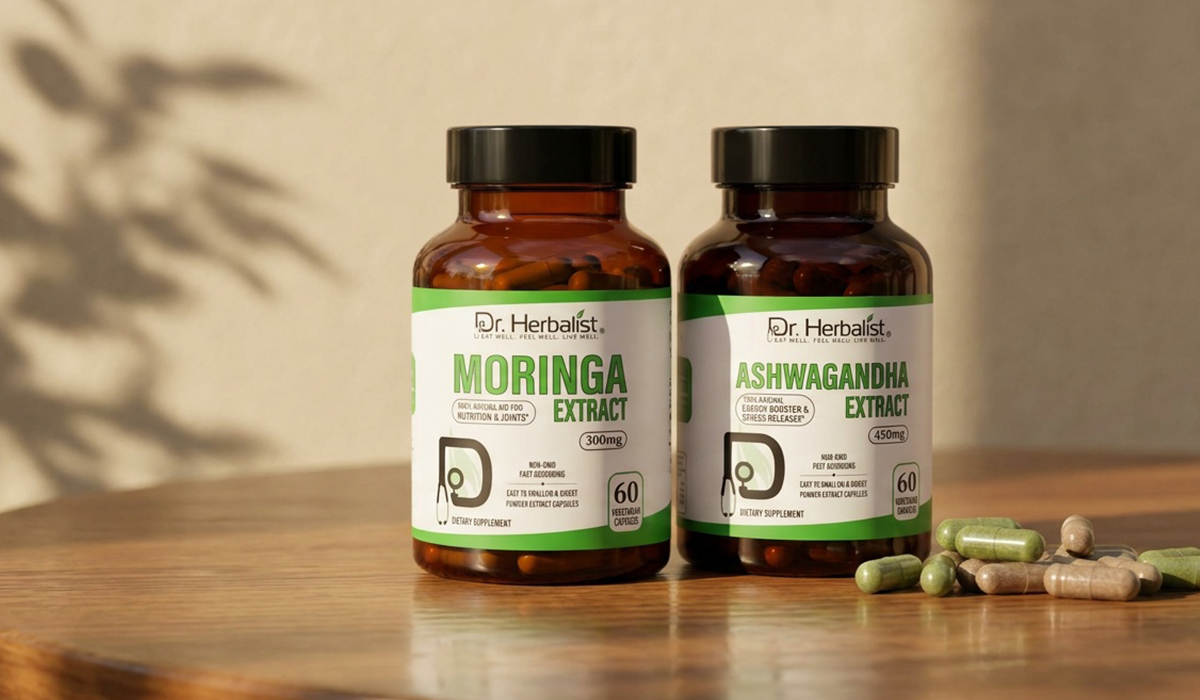
For Canadians looking for a clean, convenient option, the Hemani Dr. Herbalist Ashwagandha Extract Capsule is worth considering. It uses 100% natural ingredients, is non-GMO, halal, and vegetarian, and is formulated for easy daily use.
A few important precautions: people with hyperthyroidism, high iron levels, or known sensitivity to nightshade plants should avoid ashwagandha. There is also limited human safety data for use during pregnancy, so pregnant individuals should skip it and speak to their doctor instead.
Dosage varies depending on the form. Always follow the label and start with the lowest recommended dose.
Valerian Root
Valerian root has a long history of use as a natural sleep aid across Europe and Asia. It is thought to increase levels of GABA, a calming neurotransmitter in the brain that reduces nervous system activity.
Many people who use valerian report falling asleep faster and waking less during the night. It works best when taken consistently over several weeks rather than as a one-time fix.
Chamomile
Chamomile is probably the most familiar herb on this list. Most people have had chamomile tea at night without even thinking of it as a supplement.
It contains an antioxidant called apigenin, which binds to certain receptors in the brain and produces a mild sedative effect. It is gentle, widely available, and generally well-tolerated. A cup of chamomile tea about 30 to 45 minutes before bed is a simple habit worth building.
Passionflower
Passionflower is less well-known but highly regarded for anxiety-related sleep problems. Like valerian, it works on GABA pathways and may help quiet the mental chatter that keeps people awake at night.
It is available in tea, capsule, and tincture form and pairs well with other calming herbs.
Lemon Balm
Lemon balm is a member of the mint family and has been used for centuries to ease anxiety and promote calm. It is particularly useful for people whose sleep issues stem from nervousness or a racing mind rather than physical restlessness. It is often found in combination sleep formulas alongside valerian or chamomile.
Moringa
Moringa is often called a miracle tree, and that reputation comes from one standout quality: its nutritional density. The plant contains a remarkable concentration of vitamins and minerals, outperforming common foods like bananas, milk, and oranges across several key nutrients.
What does nutrition have to do with sleep? More than most people realize. When your body is nutritionally depleted, it runs less efficiently. Recovery slows, stress responses amplify, and the body struggles to wind down properly. Moringa supports overall wellness by giving the body the raw materials it needs to function and recover.
Beyond nutrition, research points to meaningful therapeutic potential. Studies suggest moringa may lead to modest reductions in blood sugar and cholesterol and it may also carry antioxidant and anti-inflammatory properties. Researchers have also identified over 90 bioactive plant compounds that may help protect against oxidative stress and inflammation. Its antioxidant content is so high it even prevents its own oils from going rancid, which reflects just how potent its protective properties are.
If you want to incorporate moringa into your daily routine, the Hemani Dr. Herbalist Moringa Extract Capsule delivers 300mg of powder extract in a non-GMO, fast-absorbing capsule. It is easy to fit into both morning and evening routines.
Lavender
Lavender is primarily used aromatically, but it also comes in supplement form. Research supports its role in reducing anxiety and improving sleep quality, particularly for people with mild sleep disorders.
Even inhaling lavender before bed through a diffuser can meaningfully support relaxation. It carries a very low risk profile and is one of the easiest herbs to start with.
What to Look for When Choosing a Herbal Sleep Supplement in Canada
- Ingredient transparency: the label should clearly list what is in the capsule and at what dose
- Non-GMO and natural sourcing: especially important for daily-use supplements
- Halal and vegetarian certification: relevant for many Canadian consumers
- Extraction method: standardized extracts tend to be more consistent than raw powder
- Brand credibility: look for brands with a proven track record in herbal wellness
If you are buying online, buy directly from the brand’s Canadian site or a trusted Canadian retailer to avoid quality issues from third-party resellers.
Dosage Matters: What Happens When You Take Too Much
Herbal supplements feel natural, and people sometimes assume more is better. That thinking can backfire.
With ashwagandha, taking more than the recommended dose may cause digestive upset, loose stools, or excessive drowsiness. Statistically significant reductions in cortisol were only recorded for the high dose group, which underlines that dosage precision matters and more does not always produce better outcomes.
People taking medications to treat diabetes, high blood pressure, or thyroid disorders should speak with a doctor before taking moringa, as it may interact with how those medications work. In large quantities, moringa can also have a mild laxative effect.
General rules to follow:
- Always start with the lowest recommended dose
- Give any supplement at least two to four weeks before increasing
- Do not combine multiple sleep supplements without guidance
- If you notice anything unusual, stop use and consult a healthcare provider
The goal is gradual, consistent support. Not a shortcut.
Who Should Be Careful With Herbal Sleep Supplements
Herbal supplements are not right for everyone. The following groups should speak to a doctor before starting:
- Pregnant or nursing individuals (limited safety data for most adaptogens)
- People taking prescription medications, especially blood thinners, thyroid drugs, or sedatives
- Those with autoimmune conditions
- People with hyperthyroidism (ashwagandha is specifically not recommended)
- Anyone with known nightshade sensitivity (ashwagandha belongs to the nightshade family)
- Children and teenagers, unless specifically recommended by a pediatrician
Natural does not automatically mean safe for everyone. If you manage a chronic health condition, always disclose any new supplement to your doctor.
Final Thoughts: Small Herbal Habits, Better Nights
There is no single herb that fixes sleep. But several, used consistently and responsibly, may help your body feel calmer, recover better, and settle into rest more easily.
Ashwagandha works on the stress hormones that keep you wired at night. Moringa gives your body the nutritional foundation it needs to function well. Chamomile, valerian, passionflower, lemon balm, and lavender each bring something different to the table.
Start with one or two. Be consistent. Pay attention to how your body responds. And always check with a healthcare provider if you have any existing conditions or take regular medication.
Better sleep usually does not come from one dramatic change. It comes from a series of small, steady ones.
Note: This article is for informational purposes only. It is not intended as medical advice. Always consult a qualified healthcare provider before adding any herbal supplement to your routine.
FAQs
What herbal supplements help with sleep in Canada?
Several herbs are widely used to support sleep in Canada. Ashwagandha helps regulate cortisol and stress hormones that keep the body alert at night. Chamomile contains apigenin, a natural compound that promotes calm. Moringa supports overall wellness through dense nutrition, which helps the body recover and rest more effectively. Most of these supplements are available across Canada in capsule, tea, or tincture form.
Is ashwagandha good for sleep and anxiety?
Ashwagandha is one of the most researched adaptogens for stress and sleep. It works by influencing the HPA axis, which controls your cortisol and adrenaline levels. It is not a sedative. It works with the body’s natural systems rather than overriding them.
Can I buy herbal sleep supplements in Canada?
Yes. Herbal sleep supplements are widely available in Canada through health food stores, pharmacies, and online retailers. Brands like Hemani Dr. Herbalist offer natural options such as ashwagandha and moringa capsules that are non-GMO, halal, and vegetarian. When buying online, purchase directly from the brand’s Canadian website or a verified Canadian retailer to ensure quality and freshness.
What is the safest herbal supplement for sleep?
Chamomile is generally considered one of the safest herbal options for sleep. Lemon balm and lavender are also very gentle. Ashwagandha is safe for most healthy adults at recommended doses but is not suitable for people with hyperthyroidism, nightshade sensitivity, or those who are pregnant.
Is moringa good for sleep?
Moringa does not directly sedate the body, but it supports the conditions the body needs for better sleep. Many people use moringa as part of a morning routine to build a stronger nutritional foundation, which supports better sleep over time.
Can I take ashwagandha and moringa together?
Both ashwagandha and moringa are generally considered safe for daily use and are often taken together as part of a wellness routine. That said, anyone with a health condition or taking prescription medication should check with a healthcare provider before combining supplements.